



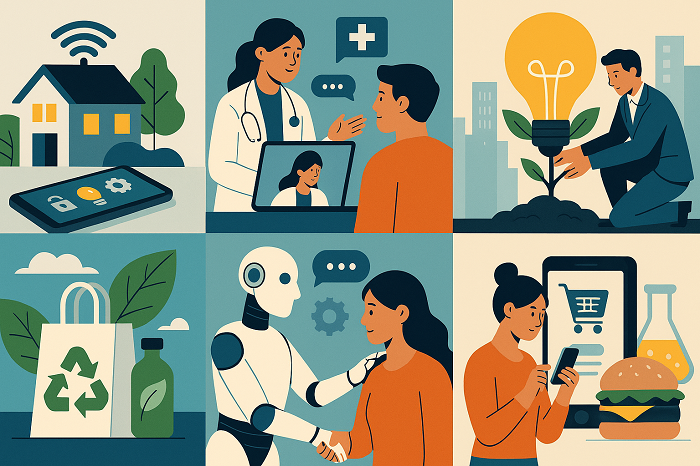
In recent years, the global startup ecosystem has evolved at an incredible pace, fueled by new technologies, changing consumer behavior, and a greater focus on sustainable and innovative solutions. As 2025 unfolds, entrepreneurs have more opportunities than ever to turn bold ideas into thriving businesses. Whether you are a first-time founder or an experienced professional looking to diversify your portfolio, choosing the right startup idea is crucial. In this article, we will explore the top 10 startup ideas to try in 2025 that align with current trends, market demand, and future growth potential.
The Rise of New Business Models in 2025
Before diving into the list, it is important to understand why 2025 is such a promising year for startups. The global economy is recovering from years of disruption, digital transformation is at its peak, and consumers are more open to adopting innovative solutions. Fields like artificial intelligence, clean energy, digital health, and e-commerce are rapidly growing, making them fertile ground for entrepreneurs. Moreover, remote work and global connectivity allow startups to scale faster and reach international markets more easily than ever before.
1. AI-Powered Personal Assistants
Artificial Intelligence continues to redefine how people interact with technology. In 2025, AI-powered personal assistants are moving beyond scheduling and reminders to managing entire aspects of daily life. Startups focusing on intelligent assistants that can handle tasks such as financial planning, personalized learning, or health monitoring are in high demand. With advancements in natural language processing and predictive analytics, there is an opportunity to create niche AI solutions that cater to specific industries or demographics.
2. Sustainable Packaging Solutions
With governments enforcing stricter environmental regulations and consumers demanding eco-friendly products, sustainable packaging is a booming sector. Startups can innovate by creating biodegradable materials, reusable packaging systems, or packaging as a service for e-commerce companies. The potential market spans across food, retail, and logistics, offering a reliable path to profitability while contributing to sustainability goals.
3. Remote Work and Collaboration Tools
The shift to hybrid and remote work is here to stay. While there are already several big players in this market, new startups can thrive by offering highly specialized tools that address challenges like virtual brainstorming, employee engagement, or secure file sharing. The key to success in 2025 will be creating platforms that not only improve productivity but also foster human connection in digital workplaces.
4. HealthTech and Telemedicine Platforms
Healthcare is undergoing a digital revolution. In 2025, telemedicine, wearable health devices, and personalized treatment plans powered by AI are becoming mainstream. Startups that create platforms for virtual consultations, remote diagnostics, or chronic illness management will find a receptive audience. The demand for affordable, accessible healthcare continues to rise, and entrepreneurs who address these gaps with innovation are likely to succeed.
5. EdTech for Lifelong Learning
Education is no longer limited to traditional institutions. With rapid advancements in technology, professionals must continually upskill to stay relevant. EdTech startups that provide AI-driven personalized learning paths, gamified experiences, and virtual reality training modules will capture a growing market. Lifelong learning platforms targeting both corporate training and individual learners have massive potential in 2025.
6. Clean Energy and Green Tech
As the world races to meet climate goals, clean energy remains one of the most attractive startup sectors. From solar and wind innovations to energy storage and smart grids, opportunities are endless. Startups focusing on affordable renewable energy solutions for households and small businesses can stand out, especially in emerging markets where access to sustainable power is limited.
7. Smart Home Automation
The Internet of Things (IoT) continues to reshape how people live at home. Smart home automation is not just about convenience, it is about energy efficiency, security, and better quality of life. Startups that build affordable, interoperable smart devices or platforms that integrate existing products will gain traction. With consumers increasingly adopting connected home systems, this sector is ripe for growth.
8. E-commerce Niches and Social Commerce
E-commerce is evolving into niche-driven platforms and social shopping experiences. In 2025, startups that specialize in hyper-personalized product lines, community-driven marketplaces, or AI-powered shopping assistants will dominate. Social commerce, which combines social media engagement with direct shopping, is one of the fastest-growing trends. Entrepreneurs who create immersive, trust-building online shopping experiences will see long-term rewards.
9. Mental Health and Wellness Apps
As awareness about mental health grows, so does the demand for accessible wellness solutions. Startups focusing on meditation apps, AI-driven therapy chatbots, or platforms for connecting with licensed professionals online are in demand. Beyond mental health, holistic wellness solutions combining physical fitness, nutrition, and stress management also present strong opportunities. In 2025, businesses that prioritize empathy and user-friendly design will stand out in this sector.
10. FoodTech and Alternative Proteins
Food technology is experiencing rapid innovation, driven by sustainability concerns and changing dietary preferences. From plant-based proteins to lab-grown meat, startups in this space are transforming how we eat. In 2025, food delivery startups that focus on health-conscious meals or integrate with personalized nutrition platforms will also thrive. The combination of technology, sustainability, and consumer health consciousness makes FoodTech one of the most exciting fields for entrepreneurs.
Building a Successful Startup in 2025
While these ideas represent some of the most promising opportunities, execution is what truly determines success. Entrepreneurs must validate their ideas, understand their target audience, and build scalable business models. Incorporating strong digital marketing strategies, leveraging SEO for online visibility, and fostering community engagement will be critical. Networking with investors, accelerators, and industry mentors can also accelerate growth.
Conclusion
The year 2025 offers endless opportunities for ambitious entrepreneurs willing to innovate and solve real-world problems. Whether it is in AI, clean energy, healthcare, or e-commerce, each of these startup ideas has the potential to create lasting impact and financial success. The key lies in understanding consumer needs, staying ahead of technological trends, and building businesses that are both profitable and sustainable. If you are ready to take the leap, now is the perfect time to start shaping the future with your entrepreneurial vision.
Frequently Asked Questions about Top Startup Ideas in 2025
Q1. What startup is most profitable in 2025
Answer. AI-driven services, clean energy solutions, and FoodTech innovations are among the most profitable sectors due to high demand and long-term growth potential.
Q2. How do I choose the right startup idea
Answer. Focus on your skills, market demand, scalability, and passion for the problem you want to solve. Conduct market research before committing.
Q3. Is it too late to start an e-commerce business in 2025
Answer. No, e-commerce continues to grow, especially in niche markets and social commerce. Success depends on targeting specific audiences and offering unique value.
Q4. Do I need a lot of funding to start a business in 2025
Answer. Not always. Many startups can begin lean with minimal investment, especially in digital sectors like EdTech, wellness apps, and AI tools. Funding can come later for scaling.
Q5. Which industries will dominate the future
Answer. AI, healthtech, clean energy, e-commerce, and FoodTech are expected to dominate due to global demand, sustainability goals, and technological progress.


Comments are closed