



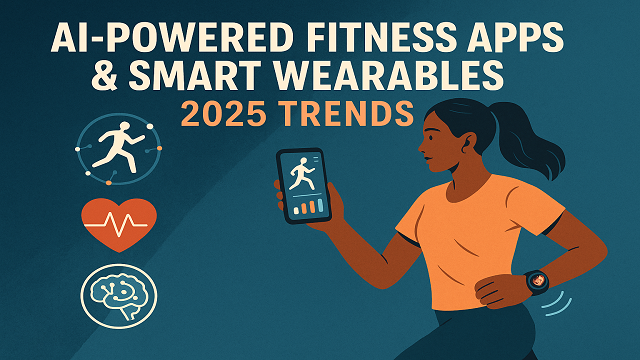
The fitness industry in 2025 is no longer just about lifting weights, running on treadmills, or following generalized workout plans. It has transformed into a highly personalized, data-driven experience, shaped by artificial intelligence and wearable technology. AI-powered fitness apps and smart wearables are redefining how people train, monitor health, and stay motivated, making fitness more accessible and effective than ever before.
From AI trainers that adapt to your body’s performance in real-time to wearables that detect stress and recovery levels, the integration of technology and health has never been deeper. This new era of fitness is not just about exercise; it’s about understanding the human body in ways that were once unimaginable.
How AI is Shaping Fitness
Artificial intelligence has become the backbone of modern fitness. Instead of one-size-fits-all workout plans, AI creates personalized programs based on age, weight, goals, and even sleep patterns. These systems continuously adapt, learning from user data to refine exercises, intensity, and recovery recommendations.
For example, if an app notices that your performance dips after poor sleep, it might suggest a lighter session focused on mobility rather than endurance. This level of customization ensures workouts are not only safer but also more effective.
Smart Wearables: Beyond Counting Steps
Wearable devices have evolved far beyond step counters and calorie estimates. In 2025, smart wearables monitor heart rate variability, oxygen saturation, hydration levels, and even early signs of injury or illness. Some advanced models can predict fatigue before it happens, alerting users to rest before pushing too hard.
Fitness wearables also sync seamlessly with AI apps, creating a feedback loop that fine-tunes workouts. For athletes, this means peak performance optimization. For everyday users, it means better insights into their overall health.
The Rise of Virtual Fitness Coaches
One of the standout features of AI-powered fitness in 2025 is the virtual coach. These are not generic video tutorials but intelligent systems capable of analyzing posture, technique, and movement in real-time.
Using smartphone cameras or AR glasses, virtual trainers correct form, prevent injury, and motivate users during sessions. They bring the experience of having a personal trainer into the comfort of homes, at a fraction of the cost.
Integrating Fitness with Lifestyle
AI apps are no longer confined to workouts alone. They integrate nutrition, sleep, and stress management into a holistic wellness ecosystem. Wearables track everything from daily calorie intake to mindfulness sessions, ensuring users maintain balance beyond the gym.
In fact, some apps now sync with grocery delivery platforms to suggest healthier meal plans based on fitness goals. Others work with smart home devices, adjusting room lighting or temperature to improve sleep quality.
Fitness Communities in the Digital Era
While technology often raises concerns about isolation, AI-powered fitness has strengthened communities. Apps create virtual fitness groups where users connect, share progress, and challenge each other. Global competitions and leaderboards keep motivation high.
Fitness has become more social, blending the convenience of digital platforms with the camaraderie of shared goals.
Challenges and Concerns
Despite the excitement, AI-powered fitness raises important questions. Data privacy is at the forefront. With apps collecting sensitive health information, ensuring secure storage and responsible use is critical.
There are also concerns about overreliance on technology. While AI can guide and enhance workouts, experts stress the importance of human judgment and professional medical advice.
Finally, accessibility remains a challenge in some regions where advanced wearables or premium apps may be too costly. Bridging this gap will be essential if fitness technology is to serve global populations.
The Future Ahead
The road ahead suggests even more integration of AI and fitness. Neural sensors could track muscle activity directly, offering unprecedented insights into training effectiveness. Augmented reality fitness experiences may turn workouts into immersive adventures.
Medical professionals predict that wearables will soon detect early warning signs of chronic diseases, turning fitness technology into preventative healthcare tools. As the line between fitness and medicine blurs, the role of AI and wearables in shaping long, healthy lives will only grow stronger.
Conclusion
AI-powered fitness apps and smart wearables in 2025 are more than just gadgets; they represent a revolution in how people approach health and wellness. By offering personalized, adaptive, and holistic solutions, they empower individuals to train smarter, recover better, and live healthier lives.
While challenges remain, the progress so far points to a future where fitness is not just a lifestyle choice but a deeply integrated, intelligent system that supports every aspect of human health.
For fitness enthusiasts, the message is clear: the future of training has already arrived, and it’s powered by AI.


Comments are closed