



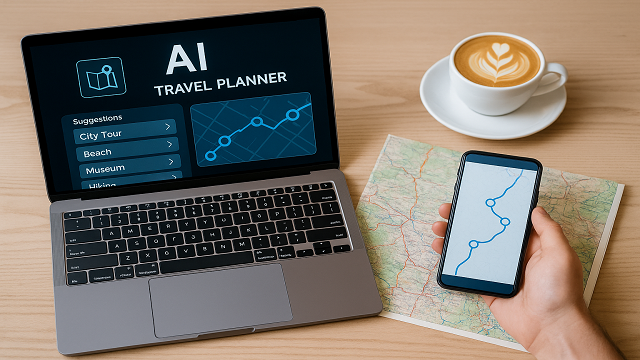
Planning a trip has always been one of the most exciting parts of travel, but also one of the most stressful. From searching endless websites for flights and hotels to coordinating activities, travelers often spend more time planning than enjoying their journeys. In 2025, artificial intelligence has transformed this process, turning complex planning into seamless, personalized experiences.
AI-powered platforms are now at the heart of global tourism. From generating tailored itineraries to offering real-time support during trips, artificial intelligence has revolutionized how people discover, book, and experience travel.
Smarter Itinerary Creation
AI tools in 2025 go far beyond suggesting popular destinations. They learn from traveler preferences, budgets, and even past trips to create unique itineraries. Whether someone prefers cultural exploration, adventure activities, or relaxation, AI curates plans that align perfectly with personal interests.
For instance, a traveler with a history of booking hiking trips might receive itinerary recommendations including eco-lodges, mountain treks, and conservation tours. Families with children, on the other hand, are guided toward safe, family-friendly destinations.
Real-Time Personalization
AI has moved beyond static planning into real-time adaptability. Travel assistants monitor flight delays, weather changes, and local events, automatically updating itineraries. If a museum is closed or rain disrupts outdoor activities, the AI instantly suggests alternatives.
This dynamic planning ensures that travel in 2025 is not only personalized but also resilient to unexpected changes.
Seamless Booking and Payments
AI platforms now integrate flights, hotels, transport, and activities into one booking system. Instead of juggling multiple apps, travelers can finalize entire trips with a few clicks. AI also secures the best deals by analyzing fluctuating prices across airlines and hotels.
Payment systems are equally smart, with AI recommending budget-friendly options and alerting users about potential hidden fees. Blockchain technology ensures transparency and trust in every transaction.
Language and Cultural Assistance
One of the biggest barriers to travel has always been language. AI translators in 2025 are nearly flawless, offering real-time speech and text translations. Travelers can navigate foreign cities, read menus, and communicate with locals effortlessly.
AI also acts as a cultural guide, educating travelers about etiquette, traditions, and local history to enhance their experiences while avoiding misunderstandings.
AI-Powered Customer Support
Gone are the days of waiting on hold with airlines or hotels. AI chatbots and virtual assistants provide instant support for cancellations, rebookings, and refunds. With natural language processing, these assistants feel less robotic and more conversational, ensuring smooth customer experiences.
Travel companies using AI-powered customer support are reporting higher satisfaction rates and increased loyalty from travelers.
Eco-Friendly Travel Planning
AI is also helping travelers reduce their environmental footprint. Platforms recommend eco-certified hotels, sustainable transport options, and low-impact activities. Carbon calculators are built into booking systems, giving travelers clear choices about greener alternatives.
This aligns perfectly with the rising global demand for sustainable travel.
Challenges and Considerations
While AI has transformed travel, challenges remain. Data privacy is a concern, as platforms collect vast amounts of personal information to deliver personalized services. Ensuring transparency and security is essential for maintaining trust.
Another challenge is over-reliance. While AI makes planning easier, some travelers fear losing the joy of spontaneous discovery. The balance between automation and human choice continues to evolve.
The Future of AI in Travel
Looking ahead, experts predict even deeper integration of AI. Augmented reality tours, AI-guided self-driving vehicles, and neural-language travel companions could soon become standard.
By 2030, AI may not just plan trips but also anticipate future desires, suggesting journeys before travelers even realize they want them.
Conclusion
In 2025, artificial intelligence has transformed travel planning from a chore into an effortless, personalized experience. From itinerary creation and seamless bookings to real-time adaptability and eco-friendly recommendations, AI ensures that every trip reflects the unique needs of each traveler.
While challenges remain, the benefits are undeniable. AI in travel is not just about convenience; it’s about creating journeys that are smarter, greener, and more memorable than ever before.


Comments are closed