




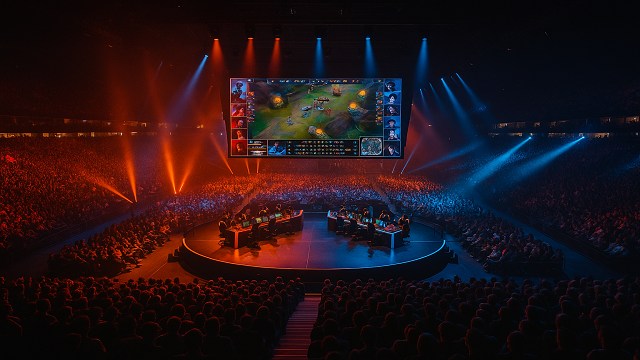
Esports is no longer an emerging industry — in 2025, it has become one of the largest global sporting phenomena. Once confined to niche gaming communities, esports tournaments now attract millions of live viewers, fill massive arenas, and secure multimillion-dollar sponsorships from some of the world’s biggest brands.
This year has been historic for esports viewership, with multiple tournaments surpassing previous records. The growth reflects not only the passion of fans but also the convergence of technology, entertainment, and global culture.
Record-Breaking Audiences
The biggest esports tournaments of 2025 have shattered viewership expectations. Finals of popular games such as League of Legends, Valorant, Counter-Strike 2, and Dota 2 drew record-breaking concurrent viewers across streaming platforms.
One championship final recorded over 40 million simultaneous viewers worldwide, placing it alongside traditional sporting events like the Super Bowl and FIFA World Cup in terms of audience size. The integration of streaming services, TV broadcasts, and social platforms has expanded reach beyond traditional gamers to mainstream audiences.
Stadiums Filled With Fans
It’s not just online numbers breaking records. Physical arenas are also hosting sold-out esports tournaments. Venues that once hosted football and basketball are now filled with fans cheering for their favorite teams and players.
In 2025, iconic stadiums across Asia, North America, and Europe have become esports battlegrounds. The energy rivals that of traditional sports events, with fans waving team banners, chanting player names, and experiencing live-action on massive digital screens.
Sponsorships and Investments
With viewership skyrocketing, esports has become a magnet for sponsors. Global brands from tech, fashion, and even traditional sports industries are investing heavily. Sponsorship revenue in 2025 has hit record highs, rivaling deals seen in established sports leagues.
Investments are also fueling grassroots esports initiatives, providing platforms for young gamers to enter professional circuits. This ensures a steady pipeline of talent and strengthens the long-term sustainability of the industry.
Star Players and Teams
Just like traditional sports, esports has its own celebrities. Star players in 2025 command massive online followings, secure endorsement deals, and inspire millions of aspiring gamers. Teams have become global franchises, with loyal fan bases spread across continents.
These players and teams are not only athletes but entertainers, content creators, and entrepreneurs. Their influence extends beyond competition, shaping gaming culture worldwide.
Global Expansion
Esports is no longer centered in just a few regions. 2025 has seen major growth in markets such as the Middle East, Africa, and South America. Tournaments are being hosted in new cities, exposing esports to fresh audiences.
Local leagues are thriving, feeding talent into international competitions and diversifying the competitive landscape. This global expansion ensures that esports is not just a trend but a universal form of entertainment.
Technology Driving Engagement
Technology plays a central role in esports’ rise. AI-driven analytics, real-time replays, and interactive platforms allow fans to engage with matches like never before. Virtual reality experiences and augmented reality overlays are transforming how games are watched, making spectators feel part of the action.
Streaming services are also innovating, with multi-angle viewing, live chat integration, and fan-voting features enhancing viewer participation.
Challenges in the Industry
Despite its success, esports faces challenges. Maintaining player health and preventing burnout are major concerns. Fair play, anti-cheating measures, and balanced competition remain crucial to credibility.
There is also the question of regulation. With esports expanding across borders, creating unified rules and standards is essential for maintaining professionalism.
The Cultural Shift
Esports tournaments in 2025 are not just competitions; they are cultural events. Music concerts, influencer collaborations, and fashion showcases often accompany matches, blending gaming with mainstream entertainment.
This cultural crossover has helped normalize esports, ensuring it is recognized alongside traditional sports in the global spotlight.
Conclusion
The record-breaking viewership of esports tournaments in 2025 confirms that competitive gaming has secured its place at the top tier of global sports. With massive audiences, iconic players, and worldwide recognition, esports is not just shaping the future of gaming — it is redefining the future of sports itself.
As technology evolves and new generations of fans engage, esports’ trajectory will only continue upward. The next decade promises even greater milestones, but 2025 will be remembered as the year esports broke barriers and entered the mainstream like never before.


Comments are closed