




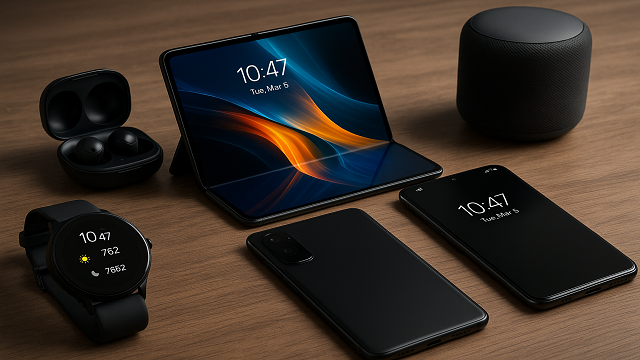
Each year, consumer electronics set new standards for innovation, and 2025 has already proven to be a milestone year. Technology giants and startups alike are racing to release products that redefine how people live, work, and connect. The industry is experiencing rapid transformation, with artificial intelligence, sustainability, and personalization at the center of product design.
From foldable displays and AI-powered home assistants to groundbreaking wearable devices, the latest launches reveal a future where technology becomes even more integrated into daily life. This article takes a closer look at the most significant consumer electronics unveiled in 2025 and what they mean for the years ahead.
The Era of Smarter Homes
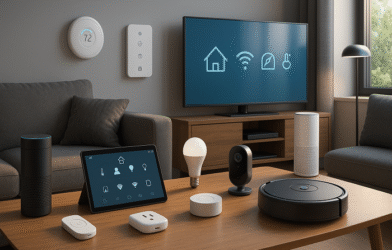
Home technology has reached new heights in 2025. Smart appliances are no longer just connected; they are intelligent enough to anticipate needs. Refrigerators equipped with AI now monitor food expiration dates and suggest recipes. Washing machines automatically adjust detergent levels based on load size and fabric type.
Voice-activated home assistants are more conversational, functioning less like machines and more like personal household managers. Many devices also prioritize sustainability, consuming less energy and syncing with renewable power systems.
Foldable and Adaptive Displays
Display technology has taken another leap. Smartphones, tablets, and even laptops are being released with foldable, rollable, and adaptive displays that transform depending on use. A device can function as a phone, unfold into a tablet for media, and expand further into a desktop-style workstation.
These innovations are not only about convenience but also sustainability, reducing the need for multiple devices by combining functionality into one. Flexible OLED and microLED technology dominate the market, offering brighter, more energy-efficient screens.
Next-Generation Wearables
Wearables in 2025 go far beyond fitness tracking. Smartwatches can now monitor hydration levels, glucose, and even detect early warning signs of illness. Some advanced models use biosensors to monitor stress levels and provide guided breathing or mindfulness sessions in real time.
Augmented reality (AR) glasses are among the most anticipated launches. They allow users to blend digital and physical worlds, providing navigation overlays, immersive gaming, and productivity tools — all hands-free. With improved design and affordability, AR wearables are finally moving toward mainstream adoption.
AI at the Center of Innovation
Artificial intelligence continues to be the driving force behind nearly every major consumer electronics launch. Devices are becoming context-aware, meaning they don’t just respond to commands but predict needs.
For example, AI-powered earbuds automatically adjust volume based on surrounding noise and suggest playlists to match mood. Cameras embedded with AI enhance photos instantly, and some even coach users on framing shots like professional photographers.
AI chips are also now standard in most consumer devices, offering faster and more efficient processing without draining battery life.
Sustainability in Design
Sustainability is no longer an afterthought; it’s a requirement. Many 2025 launches use recycled materials, modular designs for easy repair, and packaging made from biodegradable substances.
Brands are also offering trade-in and recycling programs, ensuring that outdated gadgets are not left to pile up as e-waste. This consumer shift has created strong brand loyalty for companies that commit to eco-friendly practices.
Health and Wellness Integration
Health remains one of the strongest areas of innovation in consumer electronics. Beyond fitness tracking, devices now provide detailed wellness monitoring. Smart mattresses track sleep cycles and adjust firmness in real time. Home air purifiers monitor allergens and sync with wearable health data to optimize indoor environments.
This convergence of consumer electronics and healthcare has opened doors for preventative health monitoring, with devices playing a key role in detecting issues early and promoting healthier lifestyles.
Gaming and Entertainment Devices
Gaming continues to push the limits of consumer electronics. In 2025, consoles and PCs are launching with cloud-based capabilities that reduce reliance on heavy hardware. Streaming games in ultra-high resolution with no lag is now a reality.
VR and AR headsets offer immersive experiences with lifelike visuals and responsive feedback systems. Entertainment devices also prioritize social interaction, enabling shared experiences in virtual environments, whether gaming, watching concerts, or collaborating on creative projects.
Global Launch Events: More Than Just Products
Launch events in 2025 have become global spectacles, often streamed in virtual reality for immersive viewing. Companies are using these events to not only showcase products but also demonstrate their commitment to sustainability, accessibility, and inclusivity.
These launches are less about “showing off” and more about storytelling, explaining how products fit into a larger ecosystem that supports lifestyle, environment, and society.
Consumer Response and Market Trends
Early consumer feedback shows excitement but also rising expectations. Shoppers want devices that are powerful yet energy efficient, innovative yet durable, and futuristic yet practical. The bar is higher than ever, and brands that cannot deliver seamless user experiences risk losing ground.
Another trend in 2025 is the demand for interoperability. Consumers want devices across different brands to work together smoothly, whether at home, work, or on the move.
Conclusion
The product launches of 2025 mark a turning point in consumer electronics. Technology is becoming more adaptive, sustainable, and health-focused, with AI at its core. From smart homes and AR wearables to eco-friendly designs, the industry reflects a future where devices not only serve functional purposes but also enrich human life.
As competition grows, companies will need to innovate responsibly and stay aligned with evolving consumer expectations. One thing is certain: 2025 is shaping up to be a year where consumer electronics no longer just connect people to the digital world but connect them more deeply to their own lives.



Comments are closed